Table Of Content
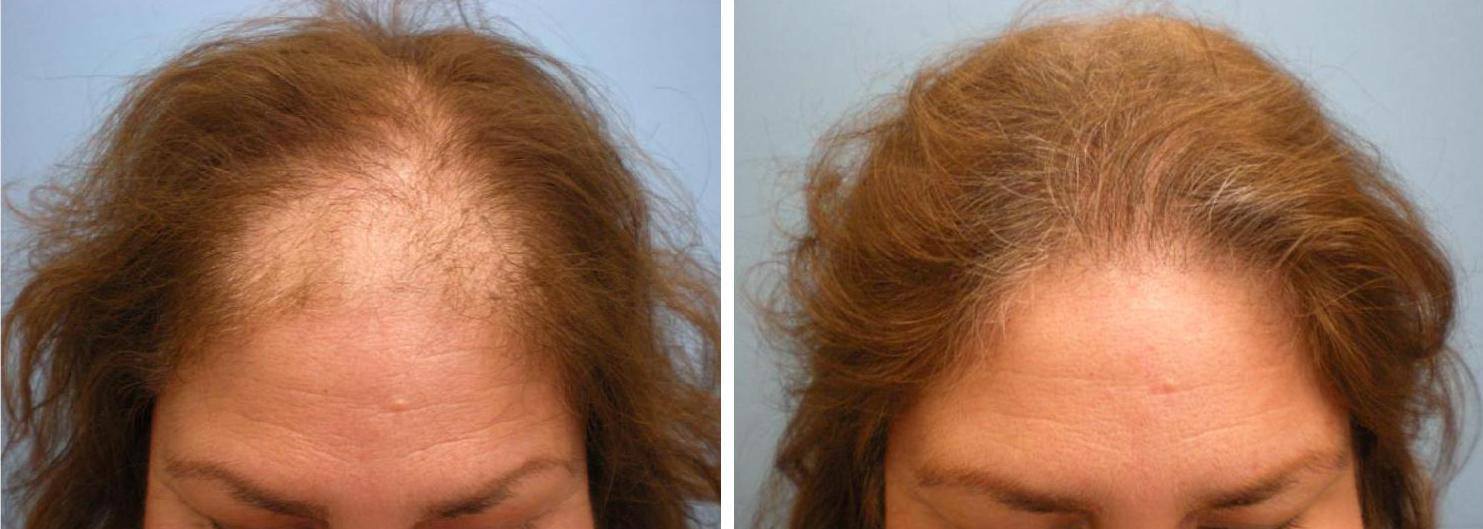
Though it won’t fully restore the hair you’ve lost, it can grow back a significant amount of hair and give an overall thicker appearance. Genes from parents may also affect the hair, causing smaller follicles and thinner strands. However, whether it’s subtle thinning all over or a bare patch where the scalp can be seen, it can look different to the typical “baldness” you might expect. If you have hair loss that you find difficult to cover up (around 50% hair loss or more), or your hair loss is a result of cancer treatment, you may be eligible for a wig on the NHS. If hair loss is affecting your relationship with your partner, going to therapy or couples counselling may help.
Topical minoxidil (Rogaine and generic)
According to the American Academy of Dermatology (AAD), TE isn’t actually defined as “hair loss,” but rather as excessive hair shedding. This article will focus primarily on hair loss in cis women. The information in this article will also apply to you if you were assigned female at birth and have never had hormone replacement therapy (HRT). Trans women and trans men who have used HRT may have additional risk factors for hair loss that are not covered here. A healthcare provider might recommend using minoxidil (Rogaine®). You can purchase the 2% or 5% solution over the counter (OTC).
Other conditions that cause hair loss
Below are four of the most common culprits, according to our experts. Consider this your starting point for alleviating tress stress. Most of us shed hair a little at a time — pretty much all the time. If you answered yes to any of these questions, your dermatologist may recommend a wig or concealer. This dermatologist is using a dermatoscope to examine a patient’s scalp.
Hair loss in men and women: Debunking popular myths - TODAY
Hair loss in men and women: Debunking popular myths.
Posted: Fri, 16 Feb 2024 08:00:00 GMT [source]
Treatments for hair loss caused by inflamed follicles
For example, a woman may have had a baby a few months ago, and this may be causing obvious hair shedding. She may also have early hereditary loss, which isn’t so obvious. If your dermatologist suspects that the cause of your hair loss could be a disease, vitamin deficiency, hormone imbalance, or infection, you may need a blood test or scalp biopsy. These tests can be done in your dermatologist’s office.
Top doctors in ,
Hair loss occurs when new hair doesn't replace the hair that has fallen out. Male-pattern baldness typically appears first at the hairline or top of the head. Finasteride inhibits 5 alpha-reductase, blocking the conversion of testosterone to dihydrotestosterone (DHT), the androgen responsible for male pattern baldness. Otherwise known as Aldactone, spironolactone works to treat hair loss by acting on hormones. Specifically, it binds to androgen receptors and decreases the body’s processing of testosterone.
It’s not known exactly what causes female pattern baldness. Without medications or treatment, hair loss due to female pattern baldness is permanent. Both men and women develop this type of hair loss, which is the most common cause of hair loss worldwide. Regardless of whether it develops in a man or women, the medical term is androgenic alopecia. Many people choose not to see a healthcare provider if they have female pattern baldness. But if you’d like to maintain your hair, you should call a healthcare provider as soon as you notice hair loss on your scalp.
Traction alopecia
Hair loss is one of the most common side effects of chemotherapy. Alopecia areata affects up to 6.8 million people in the U.S. It's most often temporary, but sometimes it can last for months or years. It usually happens when you're in your late 50s or 60s. But you may start to notice it as early as your late teens -- and the earlier it starts, the more serious it tends to be. Hormone changes during menopause can also contribute to this type of baldness.

Changing your hair care (or hairstyle) may help
If your levels are normal, taking a supplement can be harmful. For example, if you take too much iron, you can develop iron poisoning. If your blood test reveals that you’re not getting enough biotin, iron, or zinc, your dermatologist may recommend taking a supplement. If you’re not getting enough protein, your dermatologist can tell you how to boost your intake. More studies are needed to find out who is most likely to benefit from this treatment and whether these devices cause long-term side effects. It’s important to understand that not everyone who used a laser saw regrowth.
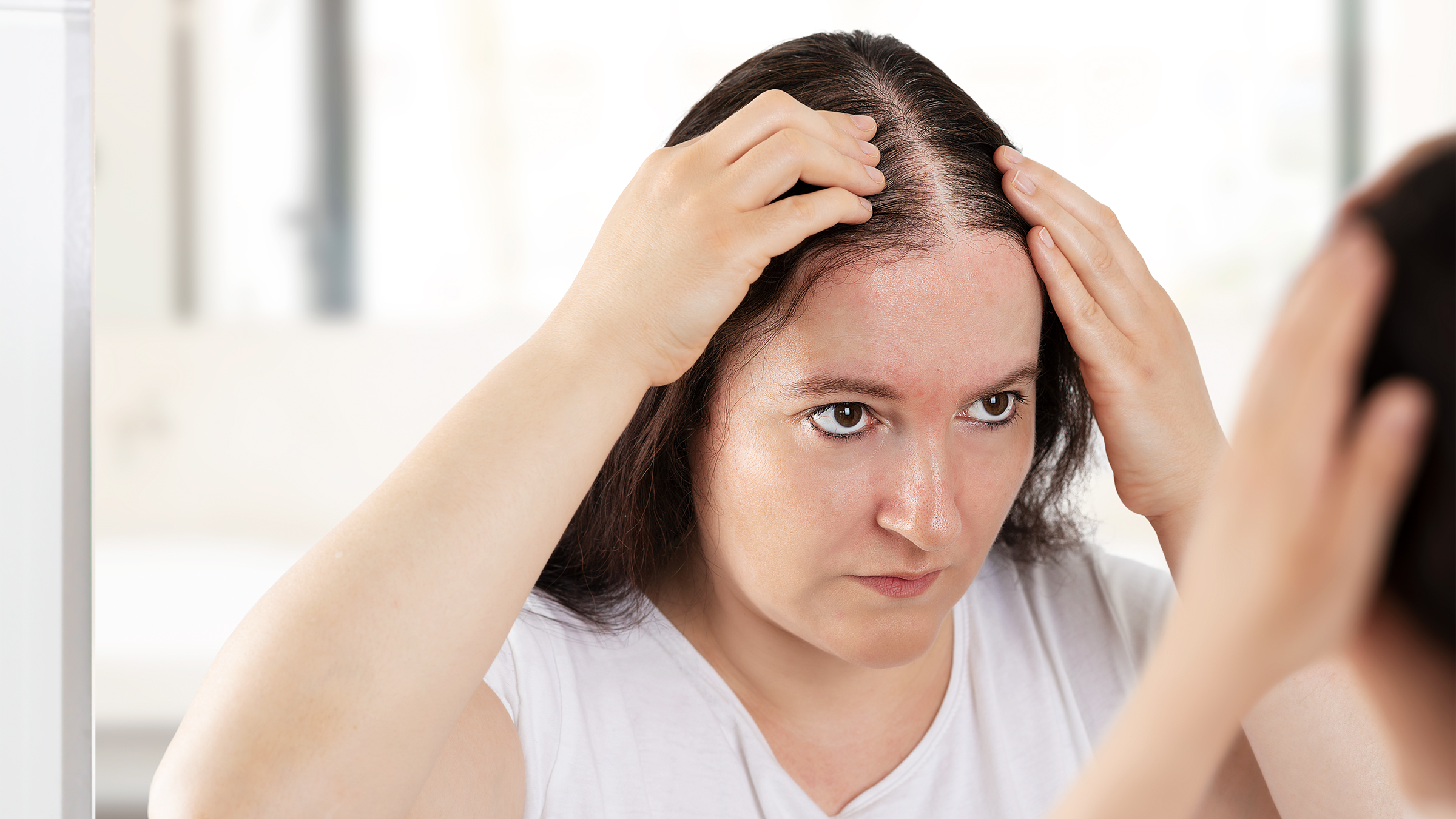
If you have alopecia, can your hair grow back?
The main symptom of alopecia is losing more hair than usual, but this can be harder to identify than you might think. If you're pregnant, planning to become pregnant, or breastfeeding, ask your doctor before taking minoxidil. It may be harmful to your unborn baby and can pass through breast milk to a nursing infant. Start by nixing traumatic styling practices from your roster, Dr. Lo Sicco says, such as aggressive brushing (no teasing!), excessive heat styling, bleaching, and chemical hair straightening.
You can soothe any tender areas by applying a topical corticosteroid lotion or ointment to your scalp, which acts as an anti-inflammatory, Dr. Lo Sicco says. Hydrocortisone 1% is available over-the-counter—anything stronger requires a prescription. For symptoms of extreme inflammation, including stinging and acne-like bumps around the base of the hair, it’s a good idea to see a dermatologist. Depending on the severity, they may recommend corticosteroid injections for additional relief, she adds.
It can also affect you psychologically (how you think about yourself and your behavior). You may experience emotional stress, anxiety and depression. The dermatologists we talked to agree that PRP injections tend to yield better results. Dr. Green says she typically treats patients with four monthly treatments followed by yearly or bi-yearly injections thereafter depending on the results.
Most people lose anywhere from 50 to 100 strands of hair each day, according to the American Academy of Dermatology. On days you wash your hair, you might lose up to 250 strands. Taking steps to minimize and navigate stress before it overwhelms you could help lower your chances of experiencing physical side effects, like hair loss.
On the whole, it’s important that you speak with your doctor about any symptoms you’re experiencing. A dermatologist can provide a proper diagnosis, and select a personalized treatment that will help restore health to you hair and scalp. Hair loss and hair thinning can be temporary or permanent. It’s usually genetic, but it can also be triggered by diseases or disorders that attack the hair follicles.
Alopecia means “hair loss.” There are many different types of alopecia, in addition to androgenetic alopecia. Androgenetic alopecia can occur at any age after puberty, but it’s most common in postmenopausal women. Advancing age and a family history of the condition are two of the primary risk factors. While hair loss isn’t itself dangerous, losing your hair is an emotional experience.
In one 2011 study, researchers divided 78 people into two groups. Taking too high of a dose can lead to side effects, so it’s always best to check with a healthcare professional before adding any new supplements to your diet. Deficiencies in iron and zinc may contribute to hair loss, but getting enough of these vitamins may help prevent future hair loss and promote new growth. Amping up your diet with nutrients known to promote hair growth could make a difference. Anthralin topical cream (Dithralin), originally used as a treatment for psoriasis, may also prove effective for the treatment of mild alopecia areata.
This type of hair loss has a strong genetic component and can be inherited from either your mother or father. You have several different treatment options to address hair loss caused by female pattern baldness and other types of alopecia. A doctor or dermatologist can help you identify the best approach for your needs. If you notice increased hair loss, you’ll want to make an appointment with a dermatologist or other healthcare professional.


No comments:
Post a Comment